


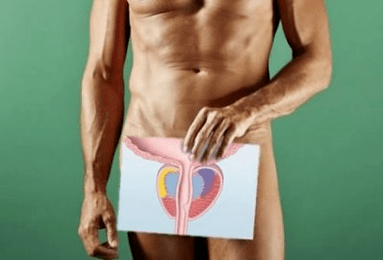
Half of all men have had or suffer from prostatitis.Mostly found in men over 45.
There are acute infectious, chronic infectious, chronic nonbacterial and chronic asymptomatic prostatitis.
Main symptomsthat the man has developed prostatitis- Difficulty urinating and pain in the ureter.
They arise when the enlarged gland compresses the ureteral canal.
Medicines and medications for prostatitis in men
How to treat prostatitis in men??Medicines that have received a lot of positive feedback from both patients and doctors are presented below.
Antibiotics
Properties of antibiotics:
- Notes: Presence of a bacterial, viral or fungal infection.
- Contraindications: resistance to this type of antibiotics, alcohol consumption.
To defeat prostatitisSix groups of antibiotics are used, which we will talk about below.
Penicillins
These remedies for prostatitisare the oldest and best studied.Doctors like to prescribe them to treat prostatitis: you can't go wrong here.
ButTheir effectiveness is lower than that of modern medicationsof prostatitis in men.
Antibiotics sometimes cause allergies.In this case, a course of antihistamines is prescribed.Long-term use of antibiotics (more than two weeks) destroys the liver.In contrast, a course of hepatoprotectors is prescribed.The tablets are taken with meals.Antibiotics destroy the stomach lining.Snacking protects you from ulcers.
Aminoglycosides
This type of medication for prostatitisUsed when a specific pathogen cannot be identified.
Macrolides
The advantages of these drugs for the treatment of prostatitis include: low toxicity, they accumulate in prostate tissue and are long-acting.
EvenA glass of wine neutralizes the effects of antibiotics.Join a sobriety society for the duration of your treatment.
Cephalosporins
This type of medicine for prostatitis,Used against staphylococci, anaerobic infections of the prostate, streptococci, Proteus and Haemophilus influenzae.
Tetracyclines
What drugs should you take for prostatitis if you have chlamydia and mycoplasma??
Without a doubt tetracyclines, because they are drugs from this group that help to cope with ailments.
Fluoroquinolones
Penetrates well into the prostate tissue and accumulates there.Not the medication of choice.Good against mycoplasma, ureaplasma, chlamydia, Gram+ and Gram-bacteria.
When choosing a medicationof prostatitis in menIt should be understood that there are a large number of them and they all destroy harmful microorganisms.Broad-spectrum antibiotics are effective against every pathogen, butMedicines that have been tailored to specific microorganisms by their manufacturers are much more effective.Special antibiotics work well against certain types of microbes.
If the patient is not completely cured or is treated incorrectly, the disease becomes chronic..It's much harder to heal.The patient will feel the first results in a few weeks.Courses are repeated several times, sometimes with breaks.Recovery can take up to six months or longer, especially if the diet is not followed.
Chaotic,Indiscriminately taking medications to treat prostatitis will only interfere with the healing process.Microbes adapt to new brands faster than pharmaceutical companies can change them.
What you read in a textbook twenty years ago about a very effective drug is most likely hopelessly out of date today.An individual dependence also arises in the body of a particular patient if he has previously taken this antibiotic.
For this reasonDoctorsbe in no hurry to prescribe an antibiotic,First, an analysis of the prostate juice is carried out to identify the pathogen.ThereafterAn analysis is carried out to determine the reactionof this pathogen in the body of a specific patient to switch to a series of antibiotics that are most suitable for its destruction.
General recommendations for taking antibiotics.Antibiotics not only destroy harmful microorganisms, but also the native microflora.After taking it, it is recommended to prescribe probiotics for recovery.
Acute infectious prostatitis can be treated with specific antibiotics within three to five weekswhen applied in a timely manner.The effect of taking the medication can be felt in the first few days.
If the medication plan is followed, the patient will recover completely.At the end of the course the tests are repeated.
If pathogens are identified, the course is repeated.
It is FORBIDDEN to arbitrarily reduce the dosage or stop taking it., even if you think you have recovered and no further treatment is needed.If you do this, the unkilled enemy will return!
Do not attempt to prescribe antibiotic treatment for your prostate based on the above points.Only a doctor will determine an individual treatment regimen.
Strong antibiotics kill not only prostate bacteria, but also sperm.If you plan to use your live bait to conceive, get used to the fact that this will not be possible until at least six months after stopping antibiotics.
Now that you know more about the treatment of prostatitis in men and medications that can be used for inflammation, let's talk about other options for recovery.
Other medications
What drugs should be taken for prostatitis in men?Below is a list of the most effective drugs for treating prostatitis in men:
No steroidsused to relieve acute pain.These medications are used in the form of injections, suppositories and tablets.
Steroids do not make digestion difficult.It is recommended not to take them for more than three days in a row and then take a week off.
Antispasmodicsare used when the pain is caused by muscle spasms.
Candles
The use of suppositories increases the effectiveness of therapy due to better delivery of medication to the gland compared to oral administration.SuppositoriesThe main ingredient is coconut oilto accelerate the passage of drugs through the intestinal wall.
Based on the composition of the active ingredient, they are divided into:
- Antibacterial.
- Vitamin.
- Antispasmodic.
- Anti-inflammatory.
- Antiseptic.
- Magnetic with barium ferrite.
Now that you know which drugs are suitable for treating prostatitis in men, it's time to talk about prostate surgery in men.
Surgical intervention
Notes:
- Prostatitis and its infectious complications.
Contraindications:
- Individual intolerance to the composition.
- Liver and kidney failure.
- Epilepsy.
- Hematopoietic disorders.
- Diseases of the internal organs.
- Advanced age.
Enemas and micro enemas
What helps against prostatitis at home?Warming enemas with decoctions of sage, string and chamomile.
Enemas are indicated when the patient needs to avoid the harmful effects of medicationsA rapid effect on the gastrointestinal tract and liver is required.
Contraindicated for pain in the abdomen, perineum and groin.
Anoint
What drugs are used to treat prostatitis?Ointments and creams:
- ointment activates enzyme reactions, normalizes metabolic processes in the gland.Sometimes it triggers a strong reaction;You shouldn't use it yourself.
- creamWith camphor oil, it kills harmful microbes, preserves beneficial microflora, dilutes prostate secretions and stabilizes the urination process.There are no known contraindications.
How can medication be supplemented?
In addition to drug treatment, prostatitis patients are prescribed:
- Diet.
- Prostate massage.
- Physiotherapy.
- Kegel exercises.
- Movement therapy.
- Sports activities.
- Mud therapy.
- Therapeutic baths.
- Bathroom, sauna.
- Medicinal herbs, other folk remedies.
Conclusion
The transition to a sedentary lifestyle, characteristic of the 21st century, has led to the spread of prostatitis of various forms and genesis.Medication was and is the most effective treatment method, they are prescribed by a urologist.
Other agents for prostate therapy are used as complementary agents.We hope that our article helped you answer the question: “What is best to take for prostatitis?”